


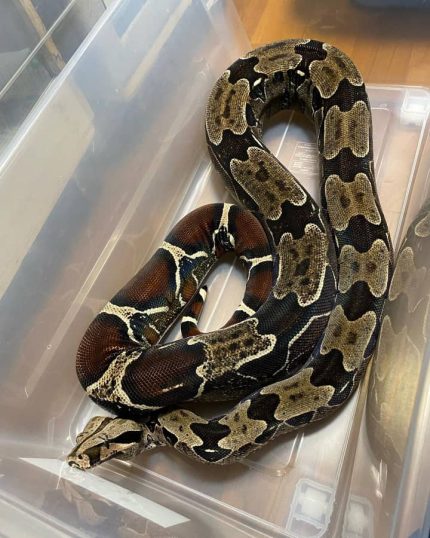
spiny tailed iguana
The spiny tailed iguana, also known as the black iguana, is a fascinating reptile that is native to the dry regions of Central and South America. These iguanas are well-known for their unique physical appearance, with a thick, black body covered in sharp, pointed scales. They can grow up to 5 feet in length, making them one of the largest species of iguanas in the world. These lizards are highly adaptable and can be found in a variety of habitats, from rocky deserts to tropical forests.
One of the most distinctive features of the spiny tailed iguana is their long, spiky tail. This tail is used as a defense mechanism, as the iguana can lash out and strike with it if it feels threatened. The tail is also used for balance, allowing the iguana to navigate through the trees and rocky terrain with ease. Another interesting fact about the spiny tailed iguana is that they have a third eye, located on the top of their head. This eye is not used for vision, but rather to sense changes in light and dark, helping the iguana to regulate its body temperature.
These iguanas are primarily herbivorous, feeding on a diet of leaves, flowers, and fruits. However, they have been known to occasionally eat insects and small vertebrates. In captivity, spiny tailed iguanas are popular pets, but they require a specialized diet and proper care to thrive. They are also known for their intelligence and can be trained to recognize their owners and even respond to their name.
In the wild, spiny tailed iguanas are solitary creatures, only coming together during the breeding season. During this time, the males will display their dominance by bobbing their heads, inflating their throat pouches, and engaging in head-butting competitions. The females will then lay a clutch of eggs, which they bury in the sand or soil to protect them from predators.
Unfortunately, the spiny tailed iguana is facing threats in its natural habitat due to habitat loss and poaching for the pet trade. Conservation efforts are in place to protect these unique creatures and their habitats, but more needs to be done to ensure their survival in the wild. Through education and responsible ownership, we can help to preserve the spiny tailed iguana and appreciate its importance in our ecosystem.
black spiny tail iguana, black spiny tailed iguana, mexican spiny tailed iguana, spiny tail iguana, spiny tailed iguanas, full grown spiny tailed iguana, spiny tailed iguana for sale





Reviews
There are no reviews yet.