


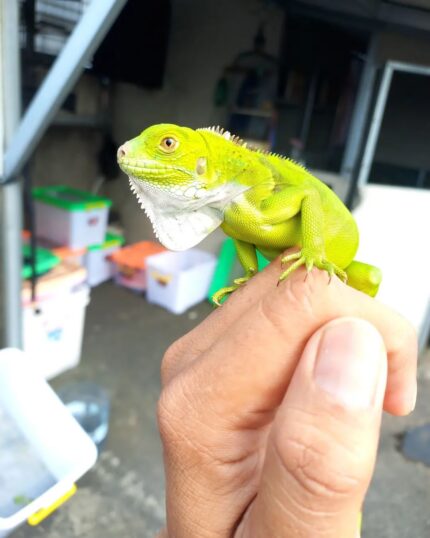
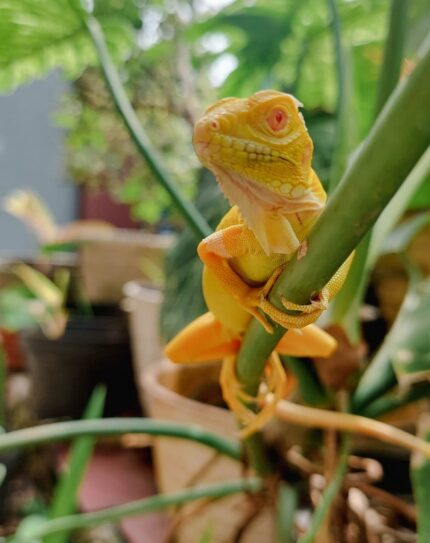
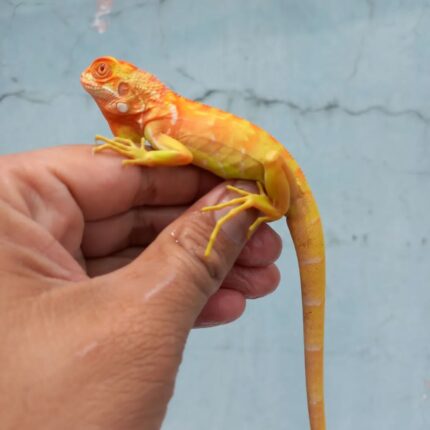
blue iguana
The blue iguana, also known as the Grand Cayman iguana, is a beautiful and fascinating reptile that is native to the island of Grand Cayman in the Caribbean. It is one of the largest species of iguana, with males reaching lengths of up to 5 feet and weighing over 30 pounds. The name ‘blue iguana’ comes from its striking blue-grey color, which is unique to this particular species.
These impressive creatures are herbivores, feeding primarily on fruits, flowers, and leaves. They are important seed dispersers, helping to maintain the island’s ecosystem. But unfortunately, the blue iguana is considered critically endangered, with only an estimated 1,000 individuals left in the wild. This is due to a variety of factors, including habitat destruction and fragmentation, introduced predators such as feral cats and dogs, and poaching for the pet trade.
Efforts have been made to protect and conservehe this iguana, including the establishment of the Blue Iguana Recovery Program. This program works to breed and release captive-bred iguanas back into the wild, as well as protect their natural habitat. It has been successful in increasing the population of blue iguanas, but they still face many challenges in their survival.
One of the most unique and interesting features of this iguana is its ability to change color. When they are feeling stressed or threatened, their skin can turn a darker shade of blue, almost black. This serves as a warning to potential predators and also helps them regulate their body temperature.
this iguanas are also known for their unique courtship rituals. During breeding season, males will engage in head-bobbing and head-biting displays to attract females. They also have a small sensory organ on their snout called the ‘third eye’ which helps them detect changes in light and temperature, making them excellent navigators.
In addition to being an important part of the ecosystem, blue iguanas also hold cultural significance for the people of Grand Cayman. They are featured on the island’s coat of arms and are celebrated during the annual this Iguana Day, which raises awareness and funds for their conservation.
It is important that we continue to protect and conserve this iguana and its habitat. These majestic creatures are not only a part of the natural beauty of Grand Cayman but also play a vital role in the balance of the island’s ecosystem. Through education, conservation efforts, and responsible tourism, we can ensure that the blue iguana continues to thrive and remain a symbol of the island’s unique biodiversity for generations to come.
blue iguana for sale, blue axanthic iguana






Reviews
There are no reviews yet.