


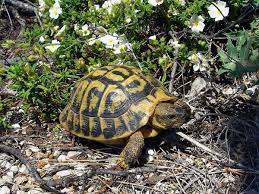
Burmese Star Tortoise
Burmese Star Tortoise, also known as Geochelone Platynota, is a small, endangered species of tortoise that is native to Myanmar, a country located in Southeast Asia. These beautiful creatures are named after the star-shaped patterns on their shells, which make them stand out among other tortoises. Unfortunately, these unique and charismatic creatures are facing numerous threats, including habitat loss and illegal trade, which have led to a decline in their population. In this blog post, we will take a closer look at the Burmese Star Tortoise and explore why it is so important to protect this species.
Appearance and Habitat
The Burmese Star Tortoise is a medium-sized tortoise, with an average size of 12-14 inches in length and weighing between 6-9 pounds. They have a distinctive star pattern on their shells, which can range in color from yellow to brown, and even black. This pattern is what gives them their name and makes them easily recognizable. Their shells are also highly domed, providing them with protection from predators.
These tortoises are found in the dry, scrubby forests and grasslands of Myanmar. They are mostly active during the day and spend their time foraging for food, basking in the sun, and digging burrows to rest in at night. They are herbivores, feeding on a variety of plants, including grasses, leaves, and fruits.
Threats to the Burmese Star Tortoise
The Burmese Star Tortoise is listed as critically endangered on the IUCN Red List, with a population decline of more than 80% over the past decade. One of the main threats to this species is habitat loss due to agriculture, logging, and urbanization. As their habitat continues to shrink, the tortoises are forced into smaller and smaller areas, making them more vulnerable to predators and other threats.
Illegal trade is also a significant threat to the Burmese Star Tortoise. These tortoises are highly sought after in the exotic pet trade, and their unique appearance and rarity make them valuable on the black market. Due to their slow reproductive rate, the loss of even a few individuals can have a severe impact on the species’ overall population.
Conservation Efforts
To protect the Burmese Star Tortoise, several conservation efforts are underway. In 2004, a breeding program was initiated by the Turtle Survival Alliance (TSA) to help increase the species’ numbers in captivity. This program has been successful, with over 5,000 tortoises bred in captivity and released back into the wild. The TSA also works with local communities to raise awareness about the importance of protecting these tortoises and their habitats.
Another organization, Wildlife Conservation Society (WCS), is working with local communities and the Myanmar government to establish protected areas for the Burmese Star Tortoise. These protected areas not only provide a safe habitat for the tortoises but also help to reduce illegal trade and poaching.
What You Can Do to Help
As individuals, there are also steps we can take to help protect the Burmese Star Tortoise. Firstly, never buy or support the illegal trade of exotic pets. These animals belong in the wild, and purchasing them only encourages further exploitation. Secondly, be mindful of your carbon footprint and reduce your impact on the environment. This can help to slow down habitat loss and preserve the natural habitats of these tortoises.
In conclusion, the Burmese Star Tortoise is a unique and fascinating species that plays an important role in its ecosystem. However, their population is rapidly declining due to various threats, and urgent action is needed to protect them. Through conservation efforts and individual actions, we can all play a part in ensuring the survival of these beautiful creatures for generations to come. Let us all do our part to protect the Burmese Star Tortoise and help preserve the biodiversity of our planet.
burmese star tortoise for sale, burmese star tortoise geochelone platynot




Reviews
There are no reviews yet.