


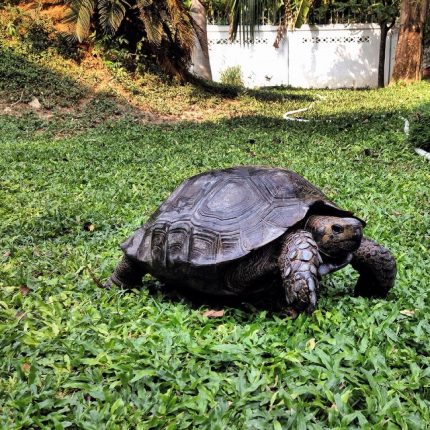
greek tortoise
When most people think of tortoises, they may picture the giant Galapagos tortoises or the speedy desert tortoises. However, one particular tortoise that often gets overlooked is the Greek tortoise, also known as the Testudo graeca. Despite its small size, this species has a rich history and unique characteristics that make it worthy of recognition.
The Greek tortoise is a small species of tortoise, growing to only 8-10 inches in length. Its shell is typically a dark brown or black color with yellow stripes or markings. One of the most distinctive features of this tortoise is its high-domed shell, which gives it a unique appearance compared to other tortoise species. They also have short, thick limbs and a blunt nose, making them well-adapted for living in harsh, rocky habitats.
These tortoises are native to the Mediterranean region, specifically Greece, Turkey, and some parts of North Africa. They are found in a variety of habitats, including rocky hillsides, scrublands, and even agricultural fields. They are known for their ability to dig burrows, which they use for shelter and protection from predators and extreme temperatures. These burrows can be as deep as 30 inches and can even provide shelter for other animals, such as snakes and lizards.
One of the most interesting aspects of this tortoise is its long lifespan. They can live up to 50 years in captivity and even longer in the wild. This makes them a popular pet choice for those looking for a long-term companion. However, it is important to note that Greek tortoises can be challenging to care for and require a specific diet and habitat to thrive.
In terms of diet, Greek tortoises are herbivores, and their diet should consist mainly of dark, leafy greens, such as dandelion greens, collard greens, and endive. They also enjoy fruits and vegetables, but these should be given in moderation as they can be high in sugar. It is essential to provide a calcium supplement to ensure their shell stays strong and healthy.
This is also known for its interesting behavior. They are mostly diurnal, meaning they are active during the day and sleep at night. They are also solitary creatures, only coming together during the breeding season. During this time, the males will engage in a unique behavior called ‘head bobbing,’ where they rapidly move their head up and down to show dominance and attract a mate.
Unfortunately, like many other species of tortoises, This tortoise is facing threats in the wild, such as habitat loss and illegal pet trade. Conservation efforts are in place to protect this species, including captive breeding programs and protected areas in their natural habitats.
In conclusion, the Greek tortoise may be small in size, but it is a fascinating and important species. Its unique appearance, long lifespan, and interesting behavior make it a popular pet choice and an essential part of its ecosystem. As with all animals, it is crucial to educate ourselves on their needs and conservation to ensure their survival for future generations to appreciate.
tortoise greek, greek tortoise for sale, golden greek tortois, greek golden tortoise, greek tortoise lifespan




Reviews
There are no reviews yet.